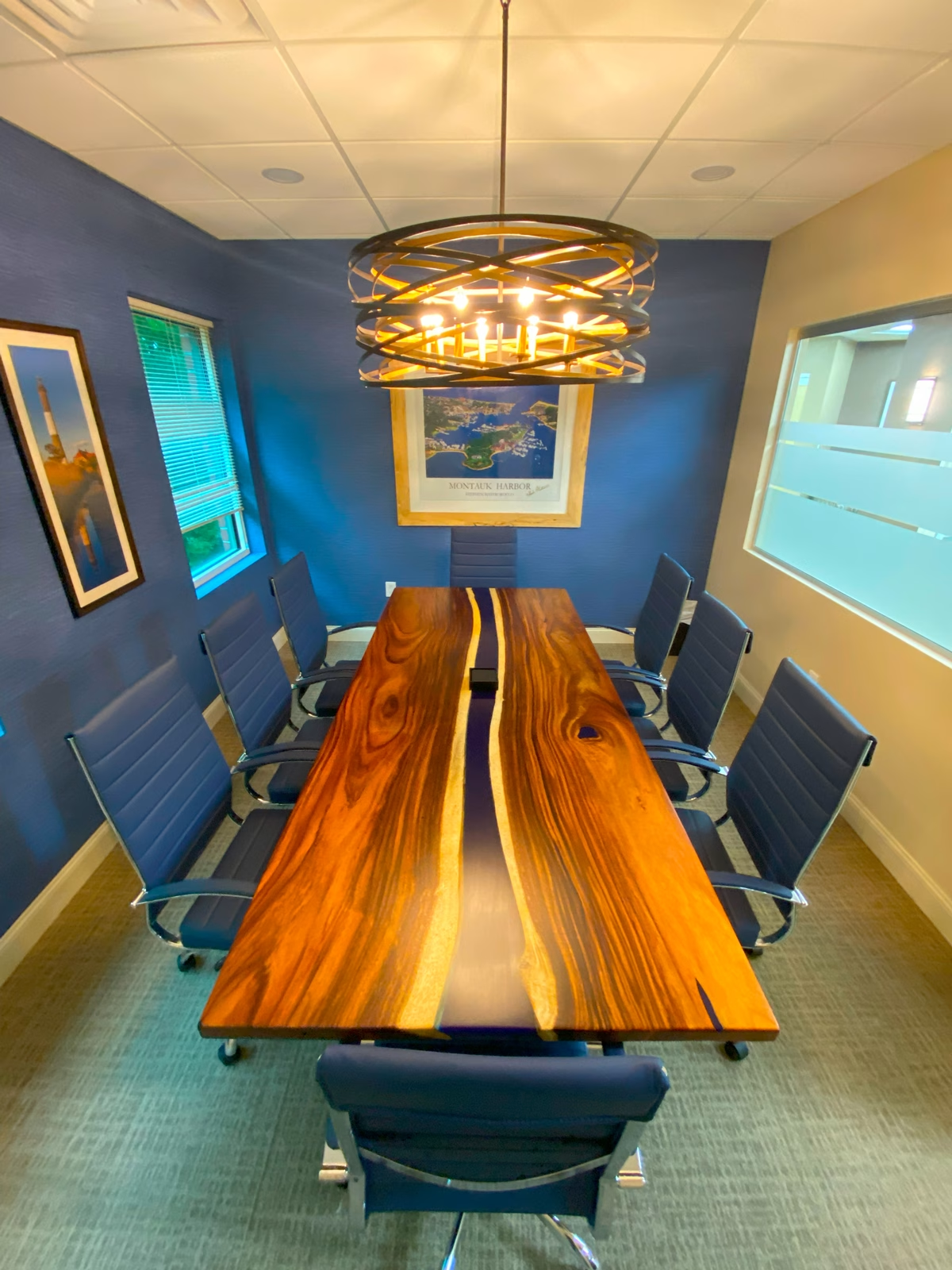

From Function to Focal Point: Rethinking the Conference Table
In today’s fast-paced business world, collaboration is key—and nothing brings people together like a well-designed conference table. Whether it’s a corporate boardroom, a creative agency’s brainstorming space, or a hybrid meeting zone in a modern coworking hub, the conference table is more than just furniture. It’s a statement piece, a workspace, and often, the epicenter of big ideas.
More Than Just a Table
At first glance, a conference table might seem like a purely functional item. But the truth is, it speaks volumes about your brand, culture, and priorities. A sleek, modern table with clean lines communicates innovation and efficiency. A handcrafted solid wood table, on the other hand, might convey timeless values, authenticity, and craftsmanship.
The materials, shape, size, and finish all contribute to how the room feels—and how people feel when they’re in it.
Choosing the Right Size and Shape
When selecting a conference table, size and shape are critical. A table too large for the room can feel overwhelming, while one too small limits functionality. Here’s a quick breakdown:
- Rectangular: Classic and practical, ideal for long rooms and traditional boardrooms.
- Round: Encourages equality and open discussion—great for small teams or creative spaces.
- Oval: A hybrid of formality and flow, balancing structure with collaboration.
- Boat-shaped: Offers a modern twist, wider in the middle for visibility and engagement.
As a rule of thumb, allow at least 3 feet of clearance around the table for chairs and movement.
Materials Matter
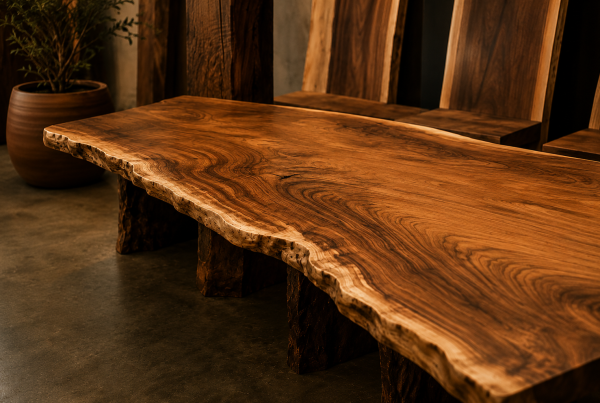
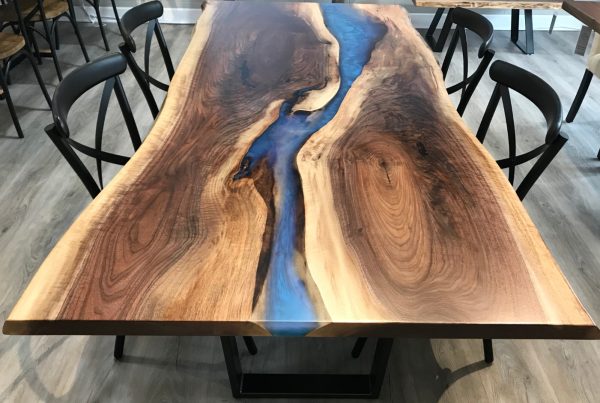
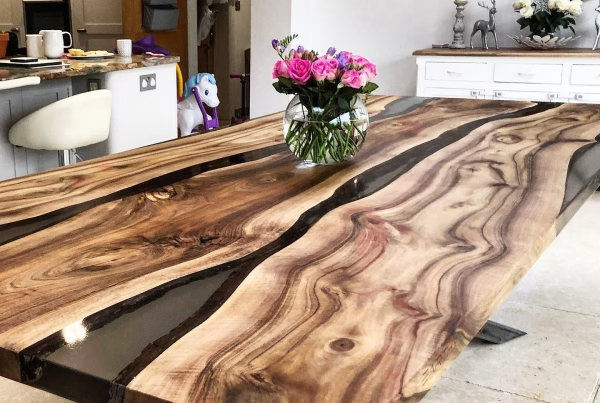
From industrial steel frames to artisan-carved hardwood tops, the material of your conference table sets the tone. At WoodLab NY, for example, we specialize in Costa Rican monkey pod and parota wood—exotic hardwoods known for their durability, unique grain patterns, and striking natural beauty. These materials not only stand the test of time but also tell a story of sustainability and global craftsmanship.
Integrated Technology
Today’s meetings often require seamless tech integration. Modern conference tables now include built-in power modules, USB ports, cable management systems, and even wireless charging. When designed right, tech blends in, supporting productivity without distracting from the aesthetics.
Making a Statement
Ultimately, a conference table is more than a piece of furniture—it’s a platform for ideas, collaboration, and decision-making. It should reflect your company’s ethos, impress your clients, and inspire your team.
Whether you’re furnishing a startup office or redesigning a high-level boardroom, investing in a high-quality, well-designed conference table is a smart move. After all, it’s not just where people sit—it’s where futures are shaped.